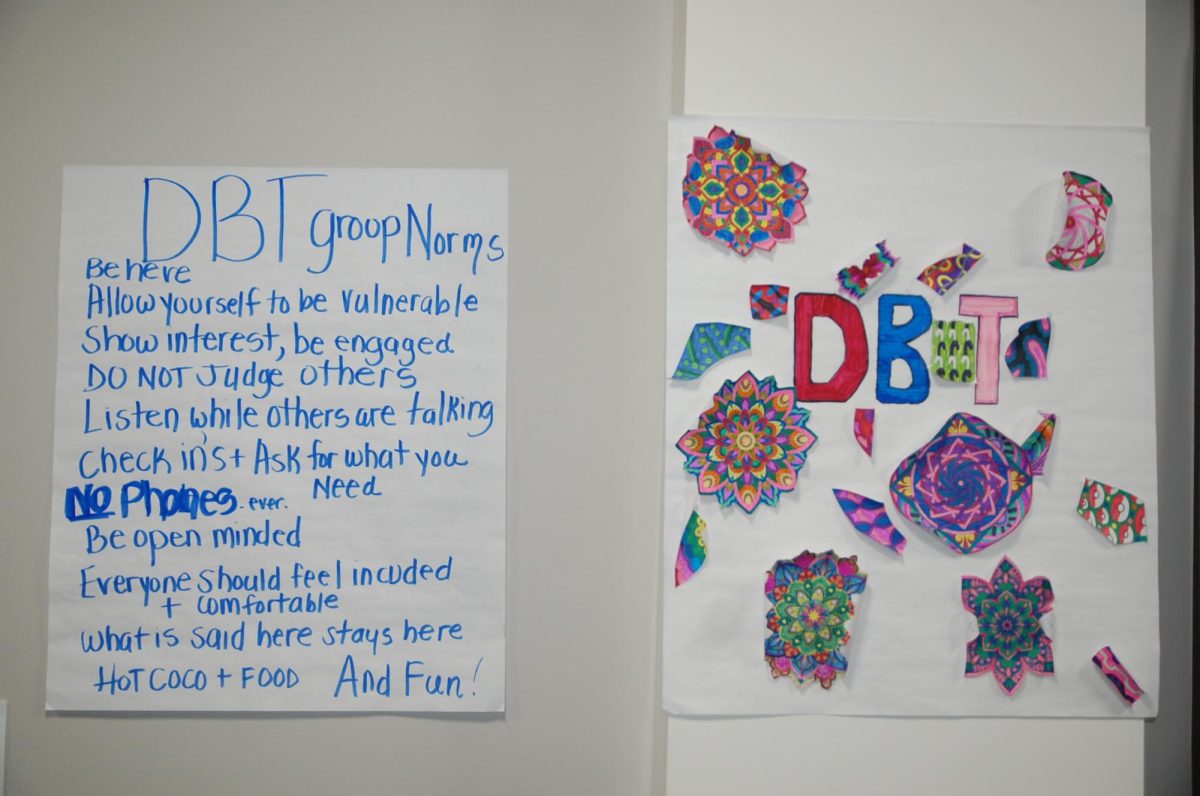
DBT (Dialectical Behavioral Therapy) is a specialized therapy that is meant to help manage strong feelings or emotions, to help relationships, and decrease self harm behaviors.
“I wish everyone had to take a DBT class,” says group leader Jane Larson, the school social worker.
Everyone in their life will experience strong emotions and having ways to cope with these feelings is an extremely helpful skill to have in times of distress and crisis.
“We wanted to have a DBT group because we realized how many students went to get help outside of school, and would return to school so suddenly,” says Larson.
The DBT group was started to make it easier for students to refresh the skills they had learned from outside sources, and to make the transition from treatment to back to school easier and less stressful, while still incorporating the DBT skills into their daily routines.
“Why we do that here, is because it helps reduce stress. If you can learn some of those skills your stress is less, schools are a better environment for you, you’re better able to focus on your academics, and you’re learning skills that are not gonna help you just here(in school), but they’re life skills,” says Larson.
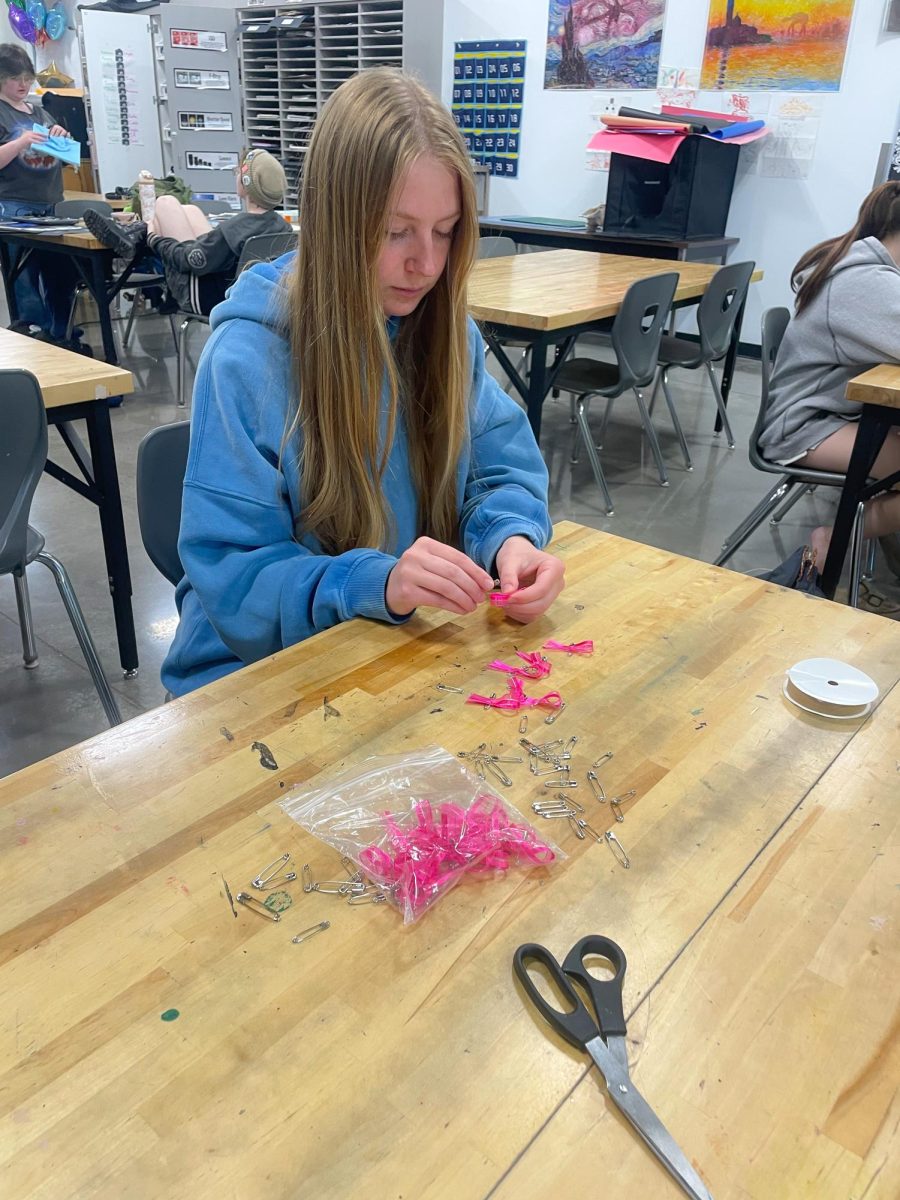
Because there are so many different DBT skills, it takes a while for the group to get through all of them. Larson and Mattson have been making learning and memorizing skills easier and more enjoyable for students by incorporating elements like arts and crafts into the learning process. This keeps students engaged and entertained while learning about skills, while also adding more meaning to them.
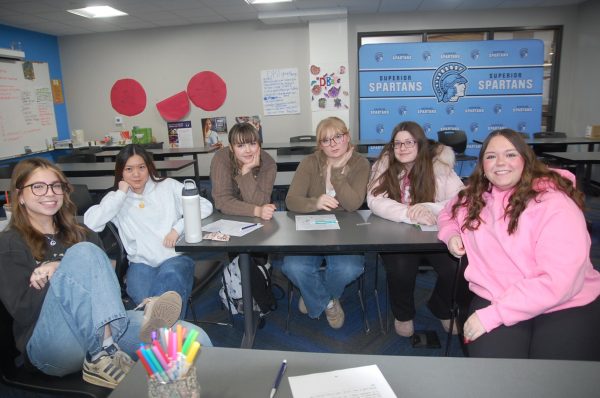
Senior Bryn Kebahart has been in DBT group since her sophomore year.
“I feel like over the years it’s definitely changed. At the beginning it was more writing in our journals, but as its progressed I really like how we’re doing more crafts, and more talking about our emotions, and incorporating our emotions into those crafts and I think it makes me feel better,” says Kebahart.
The group participates in a wide variety of activities to help learn or remember different DBT skills. It usually starts with a check in to gauge how everyone is feeling on that day. Everyone goes around the circle and takes turns sharing how they’re doing. Each week, there’s a different skill to focus on.
“We’ve been building in art to help reinforce the skills learned in groups,” says Larson.
Some activities the group has participated in include: decorating planting boxes, as well as planting a seed, watching it grow and taking care of it. Another activity included decorating a zip up pouch, and incorporating all of the 5 scenes into the items put inside. The purpose of the pouch is to help students regulate themselves when they might be in times of stress, using a five scenes grounding technique.
Students in the group learn a large variety of skills that can be used in many different ways. Larson and Mattson cover skills from grounding techniques, to communication and calming skills. Each person uses their skills in their own way. Discovering how others use their skills gives students ideas about how they could use them differently.
DBT skills are a variety of important techniques to learn to help regulate emotions and help make communication easier. Many people would find them incredibly helpful in their day to day life, as everyone experiences strong emotions and it is very common to struggle with communicating with others. Having a DBT group in school is a great way for students to learn how to manage their emotions and communicate with others more effectively, while not having to leave the building and miss school.